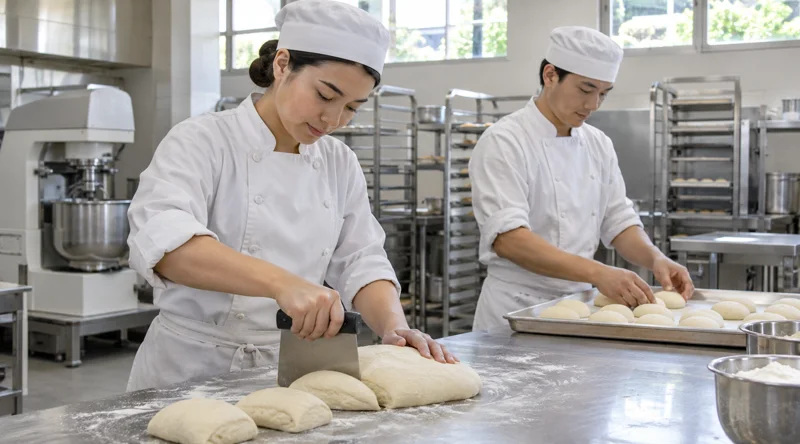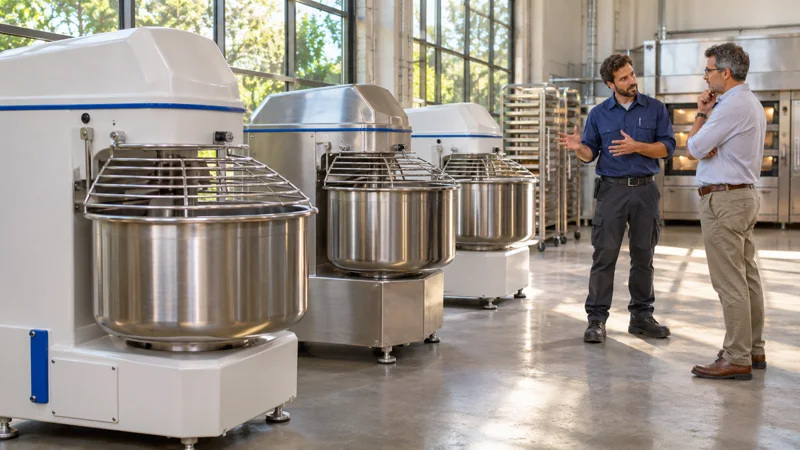
Start from actual batch sizes and leave room for operation.
Workshops and stores often need to switch between different products. When selecting equipment, first record the batch size and preparation sequence for each recipe, then consider available space, ingredient feeding methods, and cleaning arrangements. Avoid choosing a model based only on the total daily flour usage.
The TP Standard series offers multiple dry flour capacity specifications. As batch sizes grow or the discharge process changes, you can continue comparing the tilting-bowl series. When temperature management becomes a clear requirement, then evaluate constant-temperature equipment and the corresponding site conditions.
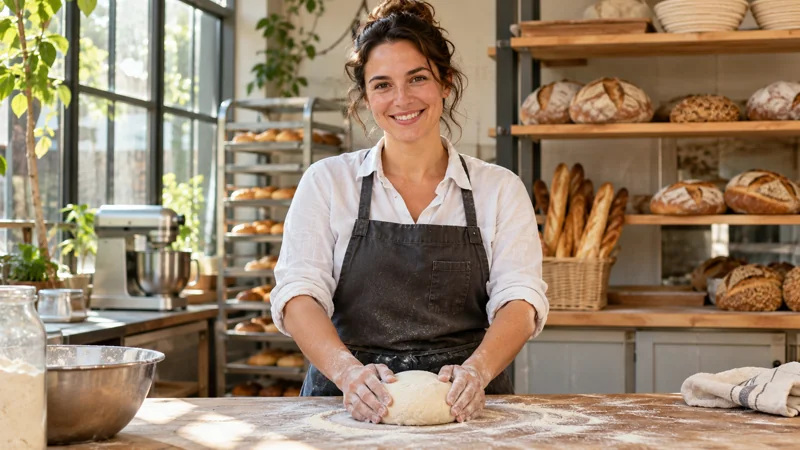
Record the per-batch flour usage and mixing requirements for frequently made products item by item.
In addition to the equipment itself, leave room for ingredient feeding, lid opening, cleaning, and personnel passage.
Use the same set of instructions for recipe records, operating sequences, and store training.
From recipe records to a stable in-store process.
- 1
Record recipes and batches
Distinguish daily batch requirements from peak-period demand.
- 2
Match dough mixing equipment
Compare capacity, functions, and equipment footprint.
- 3
Arrange dough discharge and subsequent preparation
Confirm space for dough receiving, shaping, and cleaning.
Organize workstations according to the actual preparation method. The discharge and transfer methods for standard-series equipment must be coordinated with personnel operating arrangements.
Compare equipment options according to the workshop's growth stage.
Configure around daily recipes
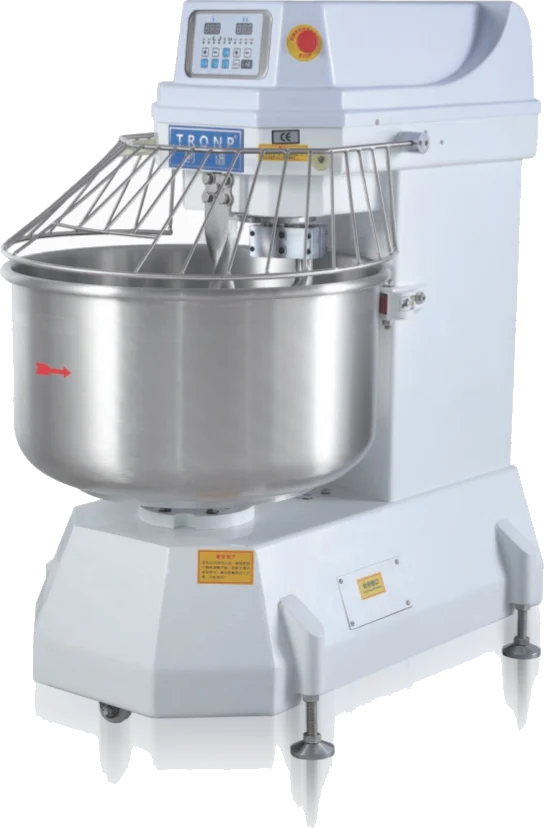
TP Standard Dough Mixer
Dual-action, dual-speed design. The manual introduces features such as lid-open stop and a stainless steel bowl. Choose the appropriate specification based on commonly used recipes and actual batches.
Focus on dough discharge after batch growth
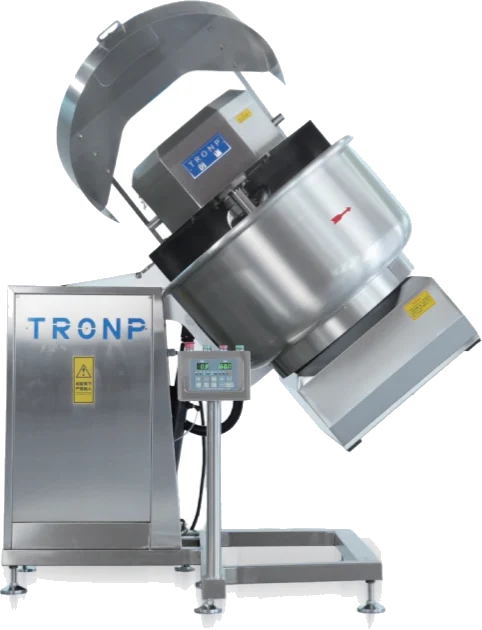
Smart Tilting-Bowl Dough Mixer
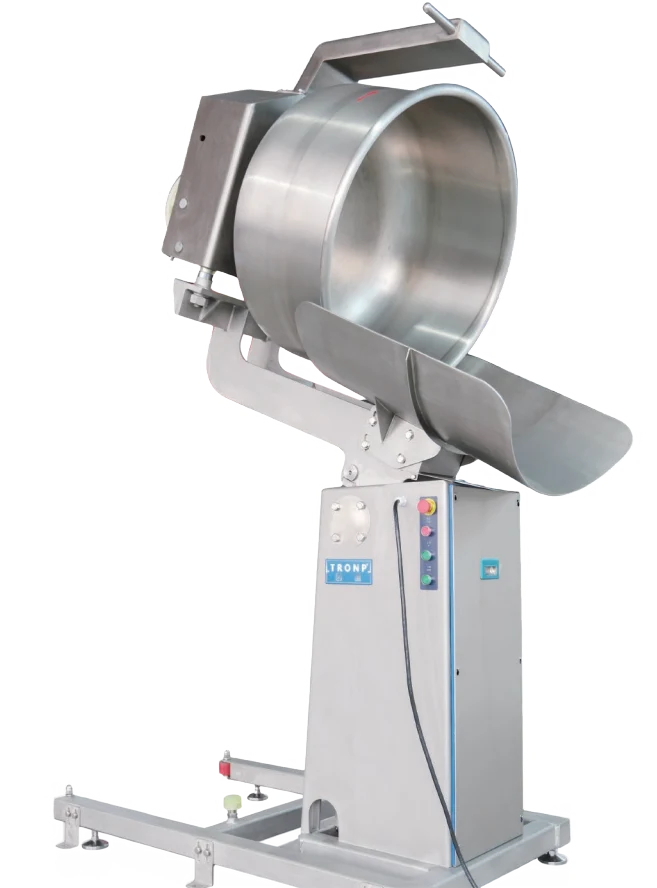
When a workshop needs to reorganize dough discharge and turnover processes, tilting-bowl equipment can be considered. The equipment's movement space and dough receiving containers should be confirmed together.
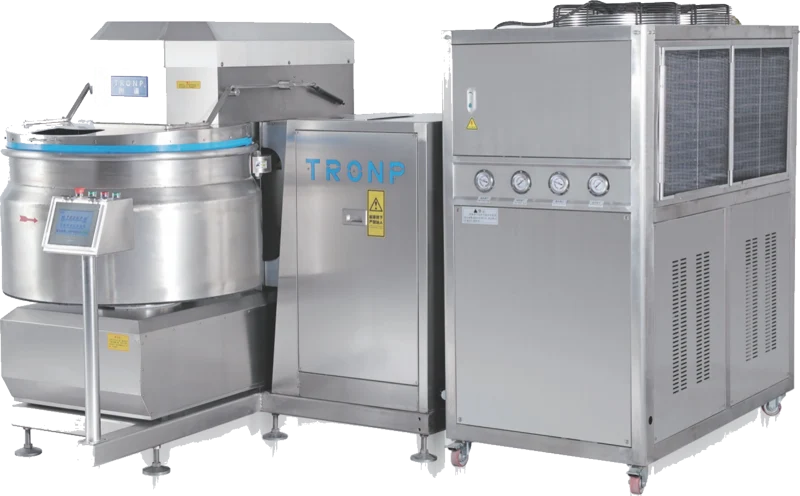
With clear temperature control and recipe management needs
Constant-Temperature Smart Dough Mixer
Intended for production configurations requiring active temperature control, quantified water addition, and recipe management. The capacity and footprint of this series must be assessed based on the workshop scale.
TP Standard: compare capacity and footprint together.
The capacity in the model table refers to dry flour. The following dimensions are the equipment's external length × width × height stated in the manual, excluding the space required for operation, lid opening, and cleaning.
| Series / Category | Model / Equipment | Capacity (per manual) | External dimensions (mm) |
|---|---|---|---|
| TP Standard | TP-15KG | Dry flour 15 kg | 830 × 490 × 1060 |
| TP Standard | TP-25KG | Dry flour 25 kg | 920 × 600 × 1200 |
| TP Standard | TP-50KG | Dry flour 50 kg | 1200 × 730 × 1310 |
| TP Standard Model | TP-75KG | Dry flour 75 kg | 1410 × 860 × 1460 |
| TP Standard Model | TP-100KG | Dry flour 100 kg | 1500 × 900 × 1560 |
| TP Standard Model | TP-125KG | Dry flour 125 kg | 1600 × 960 × 1600 |
Parameters are taken from the TRONP 2026 Product Manual. They are used here for preliminary selection; specific specifications, configurations, and applicable processes are subject to technical confirmation.
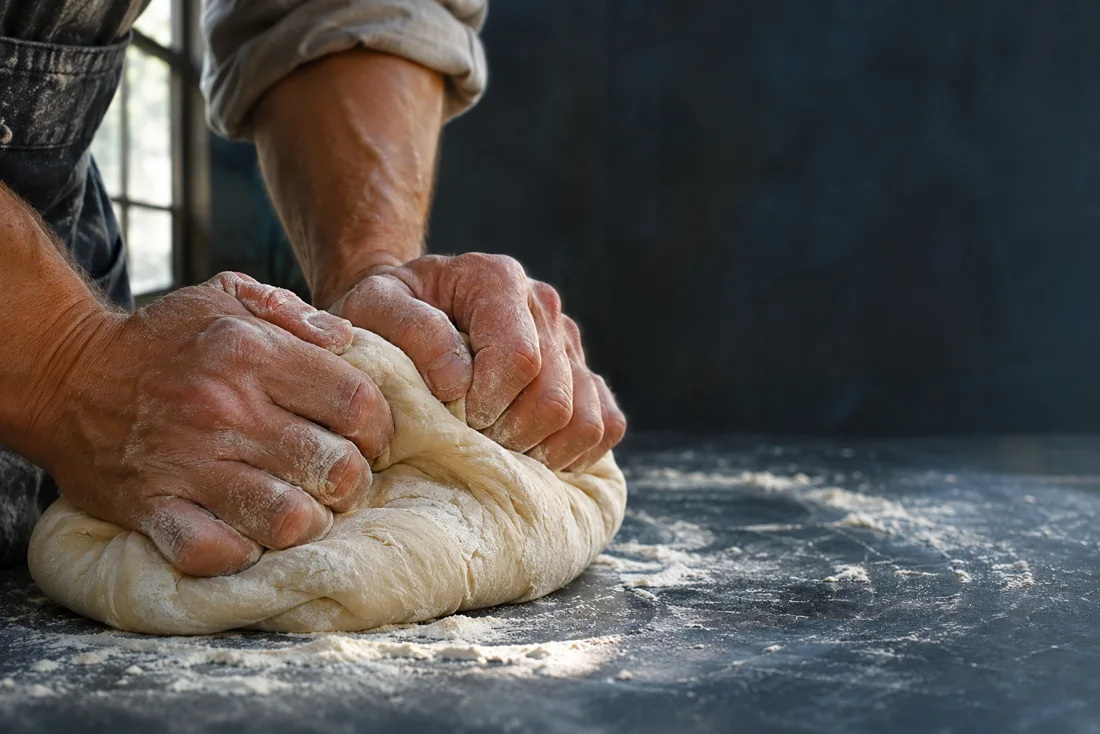
Preserve craftsmanship while making operations easier to hand over.
Chain stores can first standardize recipe record sheets, ingredient feeding sequence, and key cleaning points, then match capacity according to each store's actual batch sizes. Equipment specifications do not need to be identical, but operating documents should accurately correspond to the models used.
- Record actual recipes and avoid judging capacity solely by the model name.
- Use complete production cycles to schedule batches during peak periods.
- Confirm entry door openings, power supply, and worktable positions together.
Start selection from your menu and workshop space.
Before discussing selection, organize the following conditions item by item and add actual data to help confirm the equipment and configuration.
- List frequently made products and main recipes
- Record the dry flour usage per batch for each recipe
- Map out the preparation sequence during peak periods
- Measure door openings, passageways, and available workstations
- Confirm power supply conditions and daily cleaning methods
- Need to compare tilt-bowl discharge or temperature control functions
Confirm these details again before selection.
Does TP-50KG mean that 50 kg of dough can be made per batch?
No. The manual specifies this model's dry flour capacity as 50 kg, while total dough weight also includes water and other ingredients. The appropriate ingredient load should be checked against the specific recipe.
If a store does not use much flour each day, is only the smallest model needed?
It also depends on single-batch recipes, the peak preparation sequence, and changeovers between different products. We recommend screening based on actual batches and then confirming the ingredient load range applicable to the equipment.
Should multiple stores use the same model?
You can first standardize the selection criteria and operating documents, then determine specifications according to each store's batch sizes, space, and power supply conditions. The final model should correspond to each store's actual needs.
Parameter and equipment basis: Manual pages 25–26 (TP Standard Model), pages 19–20 (Smart Tilt-Bowl), pages 17–18 (Constant-Temperature Smart), pages 27–28 (Bowl-Lifting and Lifting Series).
The page numbers in the text refer to the manual's printed page numbers; the application recommendations are selection approaches organized based on equipment functions, and scenario illustrations do not represent delivered customer cases.