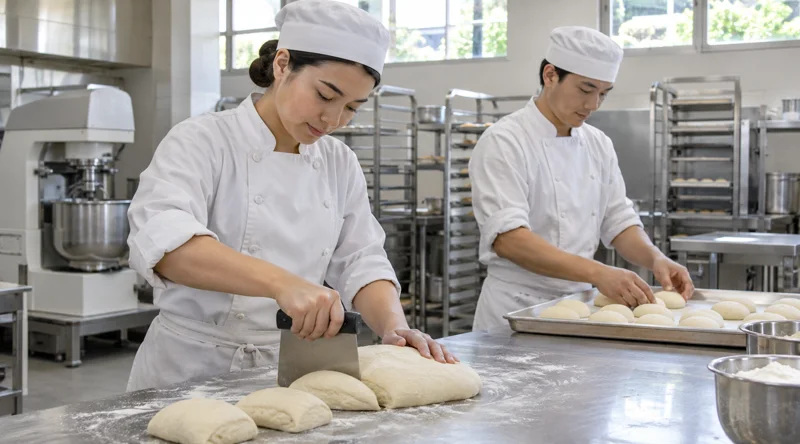
Structure your product presentation around the customer's process issues.
For bakery workshops, central kitchens, and industrial customers, equipment introductions can start with “how much is made per batch, how the product is discharged, whether temperature control is needed, and how the downstream section connects.” Confirm process conditions first, then narrow down the model range; this makes subsequent technical communication clearer.
The TRONP manual includes TP standard models, tilt-bowl series, smart constant-temperature models, horizontal constant-temperature models, bowl-bottom discharge models, and production-line supporting equipment. The product portfolios below are organized by application direction for dealers to use in preliminary selection and material preparation.
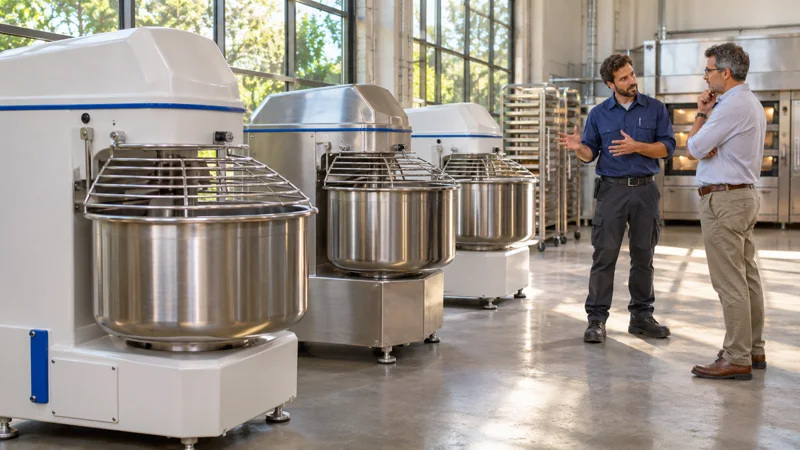
Describe requirements using actual application scenarios and recipe batches.
Explain the core dough mixer separately from the necessary supporting equipment.
Before quotation, verify the model, configuration, and site conditions item by item.
Create a clear path connecting requirements, products, and technical confirmation.
- 1
Understand the customer's process
Record product type, recipe, batch size, and site.
- 2
Filter equipment series
Compare capacity, discharge method, and temperature-control requirements.
- 3
Verify technical configuration
Confirm utilities, dimensions, interfaces, and the scope of supporting equipment.
- 4
Prepare project documents
Compile model tables, layout requirements, and open items.
This is the product selection communication process. Specific commercial terms, scope of supply, and service arrangements will be confirmed separately for each project.
Organize product portfolios around three types of customer scenarios.
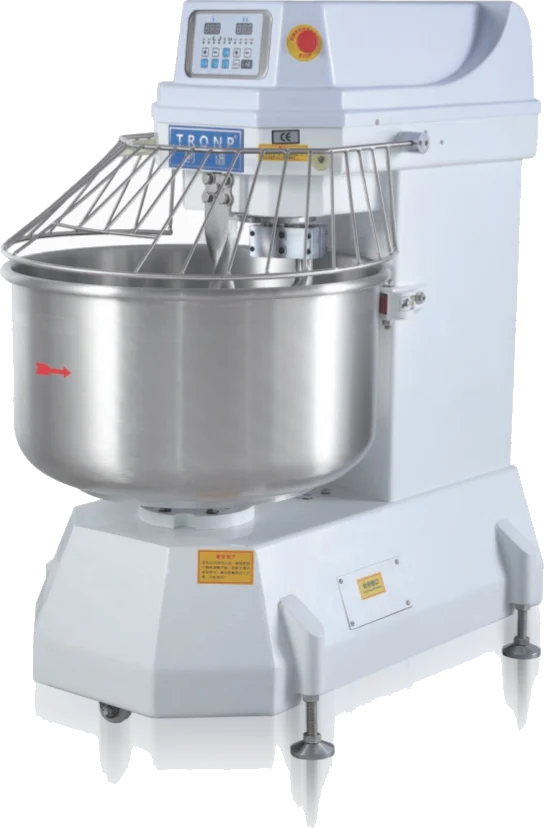
Workshop and store customers
Daily dough mixing portfolio
Start with TP standard models and compare capacities based on the customer's flour usage per batch and site conditions. When the discharge process needs adjustment, add the tilt-bowl series for comparison.
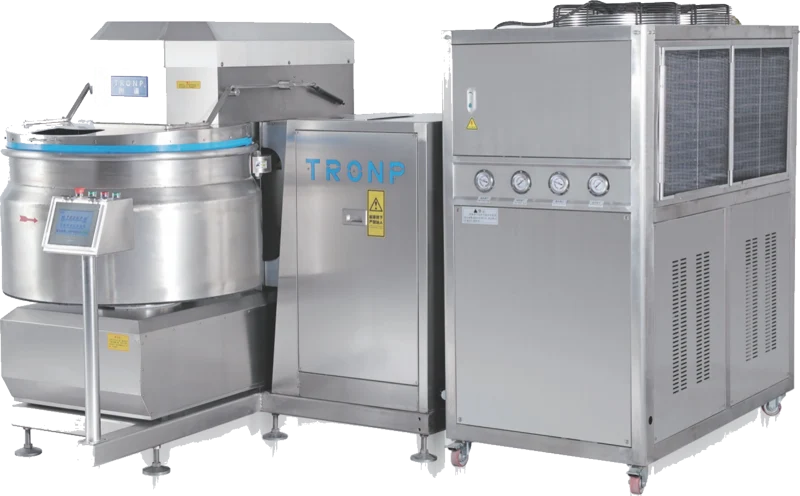
Central kitchen and batch-production customers
Discharge and temperature-control portfolio
Evaluate tilt-bowl equipment based on the receiving method; evaluate the smart constant-temperature series based on recipe reuse and temperature management. When transfer or lifting is needed, verify the supporting equipment.
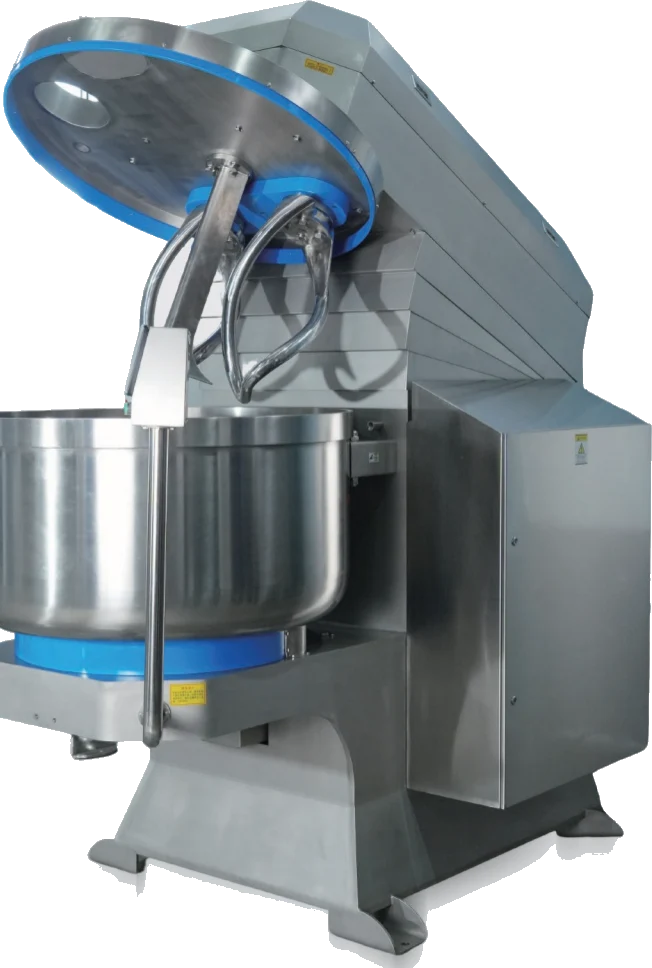
Industrial bakery and production-line customers
Dough mixing and production-line integration portfolio
Around bowl-bottom discharge or horizontal constant-temperature equipment, further discuss flour feeding, dough receiving, and conveying/dividing. The equipment portfolio is based on process and interface matching.
Product series quick reference: explain the differences clearly.
The following is a series overview from the manual, used to establish a selection direction. Capacity definitions are indicated by series; actual portfolios must be confirmed against the customer's recipes and site conditions.
| Series / direction | Model / equipment | Capacity (manual definition) | Selection focus |
|---|---|---|---|
| Daily dough mixing | TP standard models | Dry flour 15–125 kg | Single-batch recipe, footprint, and operation |
| Discharge and Temperature Control | Smart Bowl Tilting FBB | Dry flour 50–150 kg | Receiving container and bowl-tilting space |
| Discharge and Temperature Control | Constant-Temperature Smart BS | Dry flour 125 / 150 kg | Temperature control, metered water addition, and recipes |
| Production line integration | Bowl-Bottom Discharge SGTD | Dry flour 150 / 200 / 250 kg | Under-machine receiving and workstation integration |
| Production line integration | Constant-Temperature Horizontal WS | Mixing capacity 50–300 kg | Recipes, bowl cooling, and discharge |
| Production line integration | Flour feeding / lifting / conveying and dividing | Verify according to equipment and project | Interfaces, height, and conveying direction |
Parameters are excerpted from the TRONP 2026 Product Manual. They are used here for preliminary model selection; specific specifications, configurations, and applicable processes are subject to technical confirmation.
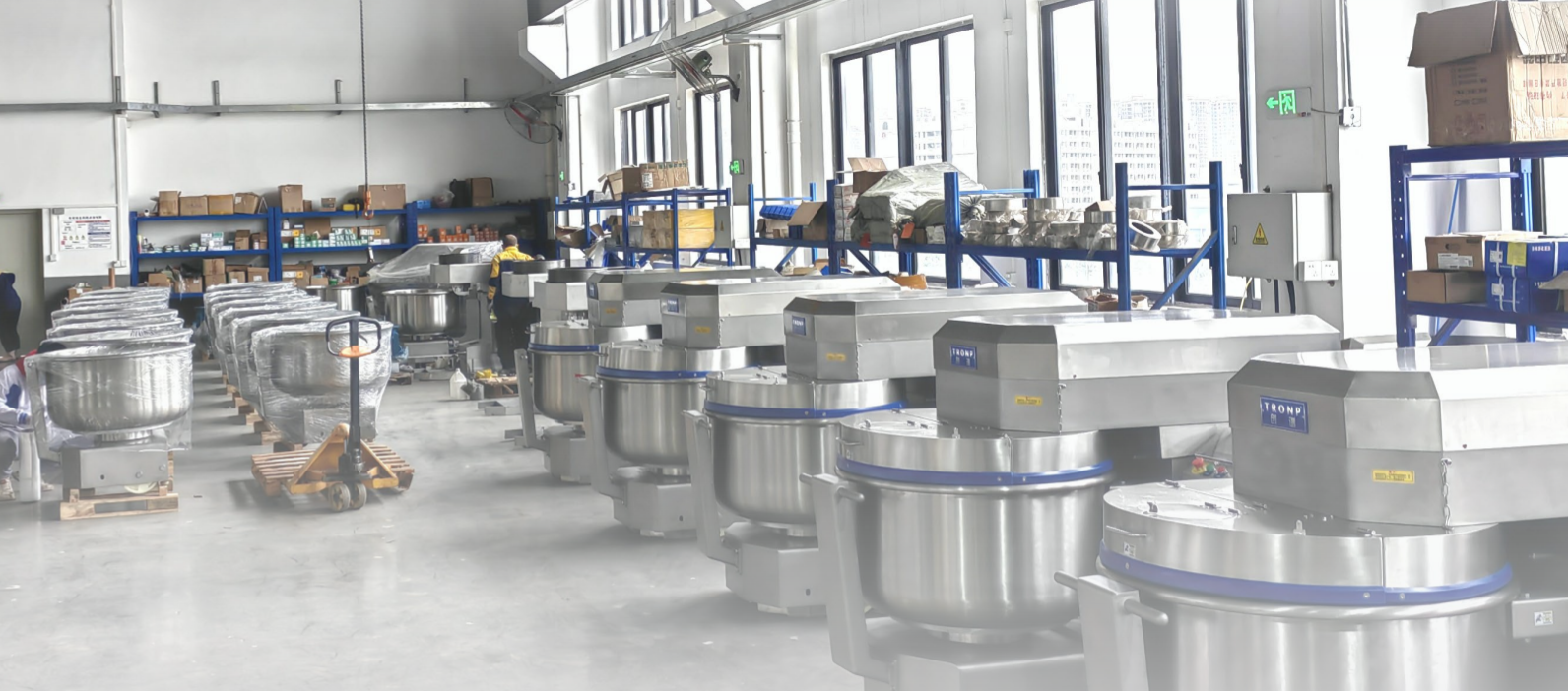
Organize introductory materials into project materials that support continued communication.
Prepare a document for the customer containing a requirements summary, candidate models, and items to be confirmed. This makes it easier to move forward than sending only a set of equipment photos. Equipment dimensions, configurations, and site interfaces should correspond to specific models.
- Product materials: models, parameters, functions, and scope of supporting equipment.
- Project materials: recipes, batches, layout drawings, and site interfaces.
- Delivery confirmation: supply list, installation conditions, and operating documentation.
Organize customer requirements in a format that allows the technical team to take over easily.
Before model-selection communication, organize the following conditions item by item and add actual data to facilitate confirmation of equipment and configurations.
- Confirm the customer type and main production products
- Record recipes, batches, and target throughput
- Clarify discharge methods and temperature control requirements
- Collect site, water and power, and equipment move-in conditions
- Define the scope of main machines and supporting equipment
- Information, configurations, and delivery items need to be checked
Confirm these details again before model selection.
Do we need to cover all series in the manual at once?
A product portfolio can be built around the customer groups actually served. Workshop customers can first focus on standard models and bowl-tilting equipment; central kitchens focus on discharge and temperature control; industrial customers require further discussion of whole-line interfaces and supporting equipment.
How can we prevent customers from conflating the capacities of different series?
When introducing equipment, state both the model and the capacity basis. For example, standard and bowl-bottom discharge series can be described by dry-flour capacity, while horizontal series should be described by the manual’s mixing capacity. Do not use model numbers directly as substitutes for technical parameters.
What can be sent first during initial project communication?
First send a customer requirements summary, candidate equipment series, site dimensions, and interface information, and list unresolved questions. The specific configuration and scope of supply shall be confirmed by both parties based on the project.
Product portfolio basis: Manual pages 09–12 (bowl-bottom discharge and constant-temperature horizontal), pages 17–26 (constant-temperature smart, bowl-tilting, and standard), pages 27–32 (production-line supporting equipment).
The page numbers in the text are the manual’s printed page numbers; application recommendations are selection approaches organized based on equipment functions, and scene schematics do not represent delivered customer cases.